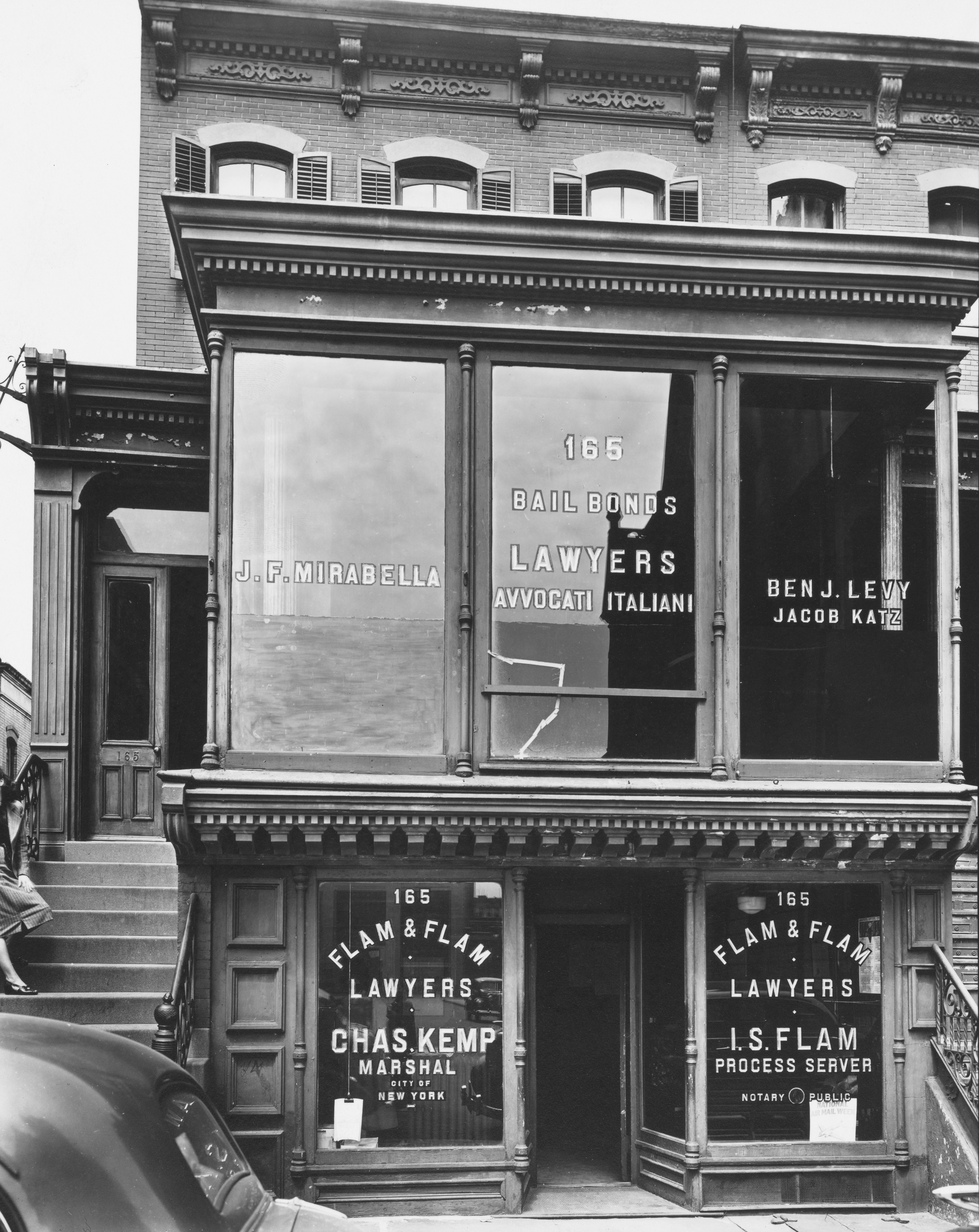

Law court accidents in the UK are a rarely discussed aspect of the justice system, yet they raise critical questions about liability and prevention within legal institutions.
Preventing accidents in law courts requires a proactive approach.
As a result, many people are now forced to represent themselves in court, a situation known as «litigants in person.» This has raised concerns about the fairness of the legal system, as individuals without legal expertise may struggle to navigate complex legal processes and present their case effectively.

A collection of Council Directives – together with Directive 2003/9/EC (Reception Directive), Directive 2004/eighty three/EC (Qualification Directive, recast Directive 2011/ninety five/EU ) and Directive 2005/eighty five/EC (Procedures Directive) – types the code underpinning the crumbling structure of the Widespread European Asylum System Article 19(three) of the Reception Directive requires Member States to endeavour to trace the family members of UASCs as quickly as doable.
The issue of court accidents has gained further attention due to recent public sector spending cuts.
At the base are the Magistrates’ Courts and County Courts.
It’s not only visitors or legal services professionals who are at risk—court staff, including clerks, ushers, and administrative workers, can also suffer workplace injuries. Despite facing significant challenges due to funding cuts and restrictions, legal aid remains a vital service for ensuring that everyone has the opportunity to access justice.
The challenges faced by legal aid in the UK is the limitation of resources. Appeals are reviewed from lower courts and sets legal principles that are binding on lower courts.
In the jurisdiction of England and Wales, the court structure consists of multiple tiers. The issue is especially prevalent in family law cases, where emotional and personal stakes are high.
Interestingly enough, the Court refers back to the observe of highest courts of various European international locations (Germany, Italy, Austria, and the United Kingdom), which additionally ‘adhere to the precept of the priority of norms of nationwide constitutions in the execution of the ECtHR judgments.’ Clearly related to this are the next decisions: the German Federal Constitutional Court docket held that ‘in nationwide legislation the European Conference on Human Rights is subordinate to the Primary Regulation’ ( judgment of four May 2011), whereas the Italian Constitutional Court docket confirmed that the provisions of the ECHR are ‘a step underneath the Constitution, and therefore, preliminary within the process of judicial review of legislation, is an inquiry about their consistency with the Italian Structure’ ( Selections ns.
In summary, legal aid in the UK is an essential component of the justice system, providing individuals with access to legal representation and advice, regardless of their financial circumstances.
Risk assessments should be conducted regularly, particularly after building works, changes in layout, or new security procedures. Lifting heavy files, repetitive strain from computer work, and stress-related illnesses are among the common occupational hazards reported. Above the High Court and Crown Court is the Court of Appeal, which is divided into the Civil Division and the Criminal Division.
The Legal Aid, Sentencing and Punishment of Offenders (LASPO) Act 2012, for instance, significantly restricted the eligibility for civil legal aid. Whether in criminal, civil, or family law cases, legal aid helps to level the playing field and ensures that the legal process is fair for all. Reports from court unions and professional associations suggest that reductions in maintenance budgets have increased the risk of safety hazards.
Britain’s network of courts remains an essential part of the democratic process, ensuring that laws are applied fairly and consistently.
Whether settling a contractual disagreement, overseeing a criminal trial, or interpreting legislative intent, UK courts defend liberties and maintain public confidence in the legal system.

Over the years, the government has implemented cuts to the legal aid budget, which has led to a reduction in the scope of services available to those in need. Signage must be clear and in multiple languages, particularly in courts serving diverse communities. The Ministry of Justice, as the employer, is legally required to provide a safe working environment, and failure to do so can result in compensation claims and public accountability.
Magistrates’ Courts deal with minor criminal offences, while County Courts handle disputes involving private individuals or organisations such as personal injury claims. With ongoing advocacy and reforms, there is hope that legal aid can be expanded and improved to better serve those in need in the future.
At the top of the hierarchy is the Supreme Court of the United Kingdom, which is the ultimate court of appeal in civil and criminal cases for all parts of the UK, except for criminal cases in Scotland.